

R
Reduce Risk
Identify and address modifiable factors that may place added stress on brain health before decline becomes more disabling.
The R.I.S.E. Memory Program
R — Reduce Risk I — Intervene EarlyS — Sustain Function E — Enhance Life
Memory changes often begin long before they become a crisis. The R.I.S.E. Memory Program is designed for adults experiencing early-to-moderate changes in memory, thinking, or daily function—and for people who want to take a proactive approach to healthy brain aging.
Dr. William Van Horn provides individualized neuropsychiatric care focused on understanding what may be contributing, supporting vulnerable brain function, and helping patients maintain memory, independence, and quality of life.

The R.I.S.E. Memory Program is built to support patients at different stages of memory concern — from prevention and early action to preserving function and quality of life.
Identify and address modifiable factors that may place added stress on brain health before decline becomes more disabling.
Take action when the first meaningful memory changes appear, while more brain function may still be supported.
Support memory, daily functioning, and independence through individualized outpatient care.
Help patients remain engaged in relationships, meaningful routines, and the activities that support quality of life.
Early Signs Matter
It can be difficult to know whether memory changes are part of normal aging, mild cognitive impairment, medication effects, stress, depression, or something more serious.
Earlier evaluation may provide more opportunities to understand what is happening and decide what to do next.
A Stage-Based Approach
Before significant decline
Identify factors that may place additional stress on brain health and address modifiable risks before cognitive changes become more disabling.
When the first changes appear
Evaluate memory concerns earlier, while the patient can still participate meaningfully in outpatient care and more brain function remains available to support.
During early-to-moderate memory loss
Support vulnerable but still-functioning brain systems, address contributing factors, and work to maintain memory, daily function, and independence.
Through ongoing individualized care
Help patients remain engaged in decisions, meaningful activities, relationships, family life, and independent functioning for as long as possible.
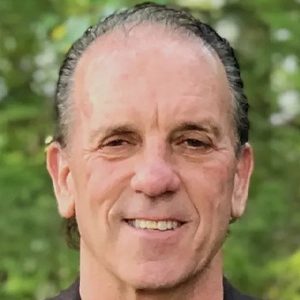
William A. Van Horn, MD
Treating the Causes, Not Just the Symptoms
Memory loss can reflect several interacting processes. Aging and genetics may play important roles, but sleep, mood, medications, cardiovascular health, medical illness, pain, fatigue, lifestyle, and other individual factors may also affect cognitive function.
By the time memory loss becomes severe, some brain-cell loss may already be irreversible. Earlier in the process, however, many brain cells and networks may still be functioning but doing so poorly.
Dr. Van Horn’s approach is to intervene while meaningful brain function remains—to support vulnerable systems, address factors that may be interfering with cognition, and help each patient make the best possible use of the brain capacity that remains.
“I believe every treatment decision should begin with one question: How will this treatment impact your brain today, and five to ten years from now?”
Treatment cannot bring permanently lost brain cells back to life. The opportunity is to support brain cells and networks that remain viable.
Who the Program Serves
You do not need to know the diagnosis before calling. The free consultation is designed to help determine whether RISE may be an appropriate next step.
Experience at the Intersection of Brain and Behavior
Board-Certified Neuropsychiatrist
More Than 30 Years of Psychiatric Experience
Nearly 20 Years in Geriatric Psychiatry
Individualized, In-Person Care in Roseville
Dr. Van Horn considers both the patient’s current symptoms and how treatment decisions may affect memory, function, independence, and long-term brain health.
Start With a Free Conversation
Speak with Juliet Pellegrini, MSW, our clinical director, at no cost.
We will listen to your concerns and help determine whether the program appears to fit the patient’s needs and outpatient situation.
If RISE appears appropriate, we will explain the evaluation and scheduling process.
The R.I.S.E. Memory Program is an in-person outpatient service. It is not designed to stabilize severe behavioral, medical, or neurological crises.
Seek emergency or higher-level care for:
Call 911 or seek emergency medical care for immediate danger, sudden neurological symptoms, severe confusion, or another medical emergency.
Frequently Asked Questions
The R.I.S.E. Memory Program is Dr. William Van Horn’s stage-based approach to healthy brain aging, early memory concerns, mild cognitive impairment, cognitive decline, Alzheimer’s disease, and dementia. RISE stands for Reduce Risk, Intervene Early, Sustain Function, and Enhance Life.
RISE generally serves adults age 55 and older with memory or cognitive concerns. Adults may also begin earlier because of family history, significant concern, or other risk factors.
No. Many patients and families contact us because they have noticed changes but do not yet understand the cause or diagnosis.
Family observations can be valuable when memory or daily functioning is changing. The appropriate level of family participation can be discussed during the free consultation.
Appointments may be available this week. Current availability will be confirmed during the free consultation.
You will speak with Juliet Pellegrini, MSW, our clinical director, at no cost. She will listen to what is happening, answer initial questions, and help determine whether the R.I.S.E. Memory Program may be an appropriate next step.
Take the First Step
You do not have to wait until memory loss becomes a crisis. Start with a free conversation about what you or your family are noticing and whether the R.I.S.E. Memory Program may be the right next step.
Information on this page is for general educational purposes and is not a diagnosis or a substitute for individualized medical care. Treatment recommendations depend on a clinical evaluation. If you or someone else may be in immediate danger, call 911 or go to the nearest emergency department.