

Calm the Physical Alarm
Reduce episodes of racing heart, breathlessness, shaking, dizziness, and intense physical distress.
Panic Attack Treatment in Roseville, California
Individualized medication-based care designed to reduce recurring attacks, calm physical overactivation, and help you regain confidence in everyday life.
You should not have to organize your life around fear of the next attack.
How We Help
Panic treatment should do more than help an attack pass. Meaningful improvement may include fewer attacks, less physical distress, reduced fear of another episode, clearer thinking, and greater freedom to participate in everyday life.
Dr. Van Horn evaluates the chemical and biological factors that may be contributing to panic attacks, reviews current and previous medications, and develops an individualized treatment plan focused on relief, function, and long-term brain health.
Reduce episodes of racing heart, breathlessness, shaking, dizziness, and intense physical distress.
Work toward decreasing how often attacks occur and how severely they disrupt daily life.
Reduce fear of another attack and the avoidance that can gradually limit work, travel, relationships, and ordinary activities.
Support concentration and decision-making when fear and physical symptoms have made it difficult to feel steady.
Does This Sound Familiar?
A panic attack may begin without warning or occur in a particular setting. The physical sensations can feel so intense that people fear they are dying, losing control, or experiencing a serious medical emergency.
New, severe, or unexplained chest pain, breathing difficulty, fainting, or other concerning physical symptoms may require immediate medical evaluation rather than assuming the cause is panic.
An Important Distinction
Panic attacks are sudden episodes of intense fear or physical distress that may peak rapidly and may occur with or without an obvious trigger.
Anxiety attacks often build in connection with ongoing worry, stress, conflict, uncertainty, or a specific situation and may vary more gradually in intensity.
Dr. Van Horn treats both, but understanding the pattern of symptoms is important when selecting an individualized treatment approach.
Treating the Causes, Not Just the Symptoms
Recurring panic attacks may involve several interacting biological and medical factors. Brain chemistry, genetics, sleep disruption, medication effects, stimulant or substance use, hormonal changes, medical conditions, and previous treatment response may all influence the brain and body’s alarm systems.
Dr. Van Horn evaluates the whole clinical picture rather than assuming every patient needs the same medication or treatment plan.
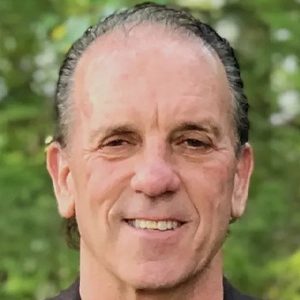
William A. Van Horn, MD
Neuropsychiatric Treatment
Dr. Van Horn’s neuropsychiatric approach focuses on the chemical and biological processes that may cause the brain and body’s alarm systems to become excessively activated.
Treatment begins with understanding how attacks start, their physical and cognitive symptoms, how often they occur, possible medical contributors, current and previous medications, side effects, sleep, energy, and prior treatment response.
The goal is to select and adjust treatment thoughtfully so that improvement is reflected not only in fewer attacks, but also in greater confidence, clearer thinking, better daily function, and less fear of ordinary activities.
“I believe every treatment decision should begin with one question: How will this treatment impact your brain today, and five to ten years from now?”
Individualized Medication-Based Care
Review current and previous medications, side effects, interactions, and whether any medication or substance may be increasing physical activation or panic symptoms.
Select treatment based on the attack pattern, medical history, prior response, age, risks, and effects on present and long-term brain function.
Address sleep disruption, persistent physical activation, concentration problems, and anxiety between attacks when clinically appropriate.
Monitor attack frequency, severity, side effects, daily functioning, and whether treatment continues to support the patient’s goals.
Who We Help
You do not need to know the exact diagnosis before calling. The free consultation can help determine whether an appointment with Dr. Van Horn may be an appropriate next step.
Experience at the Intersection of Brain and Behavior
Board-Certified Neuropsychiatrist
More Than 30 Years of Psychiatric Experience
In-Person Care in Roseville
Treatment Guided by Present and Long-Term Brain Health
Dr. Van Horn considers both immediate symptom relief and how medication decisions may affect concentration, memory, energy, emotional stability, daily function, and long-term brain health.
Start With a Free Conversation
Speak with Juliet Pellegrini, MSW, our clinical director, at no cost.
We will listen to your concerns and help determine whether an appointment with Dr. Van Horn appears to fit your needs.
If the service appears appropriate, we will explain the evaluation and scheduling process.
Way Treatment Center provides in-person outpatient care and is not designed to stabilize immediate psychiatric, medical, or substance-related emergencies.
Seek urgent or emergency care for:
Call 911 or go to the nearest emergency department if you or someone else may be in immediate danger or experiencing a possible medical emergency.
Frequently Asked Questions
Panic attacks can feel life-threatening, but similar symptoms may also occur with medical conditions. New, severe, or unexplained physical symptoms should not automatically be assumed to be panic and may require medical evaluation.
No. Panic attacks are typically sudden episodes of intense fear or physical distress. Anxiety attacks often build around ongoing worry, stress, or a particular situation. Dr. Van Horn treats both.
No. Many patients call because they are experiencing attacks but do not yet know the exact diagnosis.
Yes. This page focuses on Dr. Van Horn’s neuropsychiatric and medication-based approach to the chemical and biological processes involved in panic attacks.
Dr. Van Horn reviews previous medications, benefits, side effects, and other clinical factors before making individualized recommendations.
Yes. Dr. Van Horn treats adolescents, adults, and older adults.
Take the First Step
Start with a free conversation about what you are experiencing and whether an appointment with Dr. Van Horn may be the right next step.
Information on this page is for general educational purposes and is not a diagnosis or a substitute for individualized medical care. Treatment recommendations depend on a clinical evaluation. Call 911 or go to the nearest emergency department for immediate danger or a possible medical emergency.