


Improve Mood and Emotional Range
Work toward reducing persistent sadness, emotional numbness, irritability, and feelings of heaviness.
Depression Treatment in Roseville, California
Individualized medication-based care designed to support your mood, energy, motivation, clarity, and ability to function.
Treatment should help you feel and function better—not simply dull emotion.
How We Help
Depression treatment should address more than sadness. Meaningful improvement may include better energy, motivation, concentration, emotional stability, daily functioning, and the ability to participate more fully in relationships and everyday life.
Dr. Van Horn evaluates the chemical and biological factors that may be contributing to depression, reviews how current and previous medications have affected you, and develops an individualized treatment plan focused on relief, function, and long-term brain health.
Work toward reducing persistent sadness, emotional numbness, irritability, and feelings of heaviness.
Address the fatigue, low drive, and loss of initiative that can make ordinary responsibilities feel overwhelming.
Support concentration, mental speed, decision-making, and the ability to complete daily tasks.
Help patients participate more fully in relationships, responsibilities, interests, and meaningful activities.
Does This Sound Familiar?
Depression does not always look like constant sadness. It may appear as exhaustion, irritability, emotional numbness, loss of motivation, slowed thinking, physical heaviness, or difficulty managing ordinary responsibilities.
You do not need to decide for yourself whether your symptoms meet a particular diagnosis. A clinical evaluation can help clarify what may be happening and which treatment options deserve consideration.
Treating the Causes, Not Just the Symptoms
Depression may involve several interacting biological and medical factors. Brain chemistry, genetics, sleep, hormonal changes, medications, physical illness, pain, substance use, aging, and previous treatment response may all influence mood, energy, concentration, and brain function.
Dr. Van Horn evaluates the whole clinical picture rather than assuming that every patient needs the same medication or treatment plan.
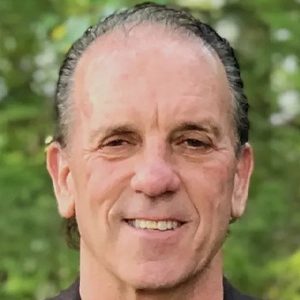
William A. Van Horn, MD
Neuropsychiatric Treatment
Dr. Van Horn’s neuropsychiatric approach focuses on the chemical and biological processes in the brain that may contribute to depression, low energy, reduced motivation, impaired concentration, and emotional instability.
Treatment begins with understanding the patient’s pattern of symptoms, sleep, energy, physical health, current and previous medications, side effects, and prior treatment response.
The goal is to select and adjust treatment thoughtfully so that improvement is not measured only by whether sadness decreases, but also by whether the patient has greater energy, clearer thinking, more motivation, improved daily function, and a stronger ability to participate in life.
“I believe every treatment decision should begin with one question: How will this treatment impact your brain today, and five to ten years from now?”
Individualized Medication-Based Care
Not every patient receives the same medication or treatment plan. Recommendations depend on symptoms, medical history, age, previous treatment response, side effects, risks, and individual goals.
Review current and previous medications, side effects, interactions, and whether treatment may be worsening mood, fatigue, sleep, or concentration.
Choose treatment based on symptoms, health history, prior response, side effects, risks, and effects on brain function.
Assess how treatment may affect activation, sleep, cognition, and the ability to carry out daily responsibilities.
Monitor response, side effects, and daily function, then adjust treatment as clinical needs change.
Who We Help
You do not need to know the exact diagnosis before calling. The free consultation is designed to help determine whether an appointment with Dr. Van Horn may be an appropriate next step. Individual appropriateness for outpatient care can also be discussed during the consultation.
Experience at the Intersection of Brain and Behavior
Board-Certified Neuropsychiatrist
More Than 30 Years of Psychiatric Experience
In-Person Care in Roseville
Treatment Guided by Present and Long-Term Brain Health
Dr. Van Horn considers both immediate symptom improvement and how medication decisions may affect energy, concentration, memory, emotional function, and long-term brain health.
Start With a Free Conversation
Speak with Juliet Pellegrini, MSW, our clinical director, at no cost.
We will listen to your concerns and help determine whether an appointment with Dr. Van Horn appears to fit your needs.
If the service appears appropriate, we will explain the evaluation and scheduling process.
Way Treatment Center provides in-person outpatient care and is not designed to stabilize immediate psychiatric, medical, or substance-related emergencies.
Seek emergency or higher-level care for:
Call 911 or go to the nearest emergency department if you or someone else may be in immediate danger.
Individual appropriateness can be discussed during the free consultation.
Frequently Asked Questions
No. Depression may also appear as low energy, irritability, emotional numbness, poor concentration, loss of motivation, sleep changes, physical heaviness, or withdrawal from everyday life.
No. Many patients contact Way Treatment Center because they have symptoms but do not yet know the exact diagnosis.
Yes. This page focuses on Dr. Van Horn’s neuropsychiatric and medication-based approach to the chemical and biological processes involved in depression.
Previous treatment response is an important part of the evaluation. Dr. Van Horn reviews prior medications, benefits, side effects, and other clinical factors before making individualized recommendations.
Yes. Dr. Van Horn treats depression in adolescents, adults, and older adults.
You will speak with Juliet Pellegrini, MSW, our clinical director, at no cost. She will listen to what you are experiencing, answer initial questions, and help determine whether an appointment with Dr. Van Horn may be an appropriate next step.
Take the First Step
Start with a free conversation about what you are experiencing and whether an appointment with Dr. Van Horn may be the right next step.
Information on this page is for general educational purposes and is not a diagnosis or a substitute for individualized medical care. Treatment recommendations depend on a clinical evaluation. If you or someone else may be in immediate danger, call 911 or go to the nearest emergency department.