Way Treatment CenterWay Treatment Center
Way Treatment Center brain emblem

Excellence in Neuropsychiatric Care

TransformingBrains · Lives · Relationships

Comprehensive, evidence-based neuropsychiatric care for older adults, adults, and adolescents – grounded in three decades of clinical practice by William A. Van Horn, MD.

How We Can Help

Find the right place to start

Choose the area that fits your concern. Each path leads to clear information and an appointment with our clinical director.

Older Adult
Neuropsychiatry

Comprehensive care for older adults facing memory loss, dementia, depression, anxiety, or other emotional and brain-based conditions.

Memory &
Cognitive Evaluation

A physician-directed, in-depth evaluation that brings clarity to memory, concentration, and overall brain health.

Adult &
Adolescent Neuropsychiatry

Restoring clarity, stability, and resilience for adults and adolescents living with depression, anxiety, ADHD, chronic pain, and fatigue.

Emotional
Restructuring Therapy

A Christ-centered therapeutic process that heals emotional wounds and restores relationships through alignment with God’s peace, joy, and love.

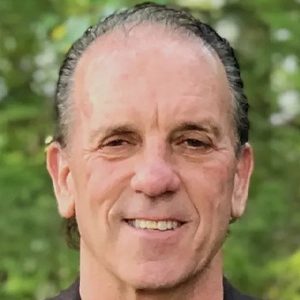
William A. Van Horn, MD

Our Founder

A comprehensive approach

“Way Treatment Center was founded to provide a comprehensive, evidence-based approach to care by addressing the medical, psychological, and relational dimensions of each individual.”

William A. Van Horn, MD

Board Certified Neuropsychiatrist · Founder and Medical Director

Read Dr. Van Horn’s full story →

We transform brains, lives, and relationships.

Take the first step with a confidential, compassionate consultation. Speak directly with our clinical director, Juliet Pellegrini, MSW.

Frequently Asked Questions

What is neuropsychiatry?

Medical doctors who bridge the gap between psychiatry and neurology are considered specialists in the field of neuropsychiatry. Neuropsychiatrists are trained to treat all psychiatric issues, including depression, anxiety, panic disorder, obsessive compulsive disorder, attention deficit disorder, bipolar disorder, psychotic disorders and disorders of addiction.

Neuropsychiatrists have additional extensive training in neurological disorders, particularly cognitive disorders ranging from early memory loss to advanced dementia and Alzheimer’s disease.

At the Way Treatment Center, our Medical Director, William A. Van Horn, MD, also treats chronic pain syndromes, neurodegenerative disorders, and neurotransmitter deficiency syndromes including chronic fatigue and fibromyalgia.

Can anything be done about memory loss and Alzheimer’s disease?

One of the greatest misunderstandings of Alzheimer’s disease is the belief that nothing can be done to impact risk or progression. That perspective is not true. Understanding a new approach can empower you to take an active role in maintaining memory and brain health.

Alzheimer’s disease is not simply an illness that appears later in life. The brain slowly changes as part of the aging process. At peak brain density—typically in the third decade of life—you have approximately 100 billion brain cells and one trillion connections between them. From that point forward, brain cells are gradually lost over time.

Many factors influence brain health and the rate of brain cell loss. At the Way Treatment Center, we offer a comprehensive program focused on optimizing brain health. The healthier the brain, the slower the rate of decline and the longer memory can be preserved.

For individuals already experiencing memory loss, early intervention is the most important factor in slowing progression and potentially avoiding disability. Several medications can affect the rate of brain cell death, but these treatments work only on living cells. Earlier treatment means more living brain cells and greater benefit.

For loved ones with advanced Alzheimer’s disease, memory restoration is not possible; however, quality of life can be significantly improved by treating the neuropsychiatric symptoms of advanced dementia. Our Medical Director, William A. Van Horn, MD, trained at Emory University and has helped thousands of individuals and families over the past two decades. Dignity, comfort, and meaningful relationships can still be preserved.