

Way Treatment Center
Roseville, California
Behavioral & Psychiatric Carefor Alzheimer’s& Dementia
- Alzheimer’s & Dementia Specialist
- Nearly 20 Years in Geriatric Psychiatry
- Board-Certified Neuropsychiatrist
- 30+ Years of Psychiatric Experience
When Alzheimer’s or dementia changes the person you love, it can feel like you are losing the relationship you once had. If agitation, fear, suspicion, withdrawal, or other difficult behaviors are disrupting daily life, you do not have to manage them alone.
Dr. William Van Horn provides thoughtful, individualized psychiatric care focused on restoring calm, preserving dignity, and helping families find a way forward.
Free Consultation
Speak with our clinical director
Tell us a little about what is happening with your loved one. Juliet Pellegrini, MSW, our clinical director, will reach out by phone at no cost to you.

The relationship still matters. Calmer, more connected moments may still be possible.
Families Often Contact Us Because…
The changes you are seeing are not something you should manage alone
These behavioral and emotional changes can be overwhelming for families. Specialized psychiatric evaluation can help determine appropriate treatment options.
Increasing agitation
Aggressive behavior
Hallucinations
Paranoia
Anxiety
Sleep problems
Personality changes
Refusing medications
Wandering
Caregiver exhaustion
A Defined Private-Pay Service
Comprehensive Cognitive & Memory Evaluation
$1,000 Private Pay
For families seeking a focused, unhurried evaluation of memory, thinking, and behavior, Way Treatment Center offers a Comprehensive Cognitive & Memory Evaluation as a separate private-pay service.
Begin with a free consultation with Juliet Pellegrini, MSW, to determine whether this evaluation is the appropriate next step.
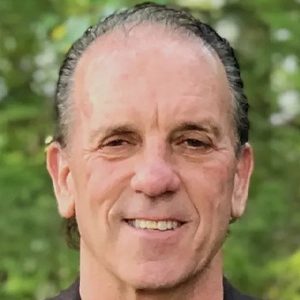
Why Families Choose Dr. Van Horn
Experienced, careful, and deeply attentive to the family
William A. Van Horn, MD, is a board-certified neuropsychiatrist with more than 30 years of psychiatric experience and nearly two decades focused on geriatric psychiatry. As the former Medical Director of a geriatric psychiatric unit, he has supported families through some of the most challenging behavioral and psychiatric symptoms of Alzheimer’s disease and related dementias.
Training at the intersection of psychiatry and neurology
Dr. Van Horn is a board-certified neuropsychiatrist, which means evaluating and treating conditions that span both brain and behavior, exactly the territory most families find themselves in.
Care for the most complex geriatric symptoms
His clinical work has centered on older adults, including the behavioral symptoms that most often exhaust families and disrupt care at home.
Comprehensive psychiatric evaluations
Each evaluation considers the full picture: medical history, current medications, recent behaviors, and the family’s specific concerns.
Clear, written treatment plans
You leave with a clear written plan, including medication review, follow-up cadence, and specific guidance for the family.
Coordination with your existing care team
We work alongside the primary care doctor, neurologists, and other professionals already involved so no one has to navigate this alone.
What Families Say
Real words from families we have worked with
Placeholder testimonials, replace with real quotes before launch.
Placeholder testimonial, quote from a family member about the experience of working with Dr. Van Horn and the clinical director. Replace with a real attribution before launch.
[Caregiver name, placeholder]
Spouse of patient · Roseville, CA
Placeholder testimonial, quote from an adult child describing the moment they realized specialized help was the right next step. Replace with a real attribution before launch.
[Adult child name, placeholder]
Daughter of patient · Granite Bay, CA
Placeholder testimonial, quote from a professional caregiver or referring provider about the difference the evaluation made. Replace with a real attribution before launch.
[Professional name, placeholder]
Professional caregiver · Sacramento, CA
What Happens Next?
Four clear steps from your first call to ongoing care
- 1
Schedule a free consultation.
Begin with a private conversation by phone or our secure request form. We will tell you what to expect and how quickly you can be seen.
- 2
Meet with Dr. Van Horn.
An unhurried, in-person psychiatric evaluation at our Roseville office. Family members are welcome so we hear the full picture.
- 3
Receive an individualized treatment plan.
You leave with a clear, written plan, including medication review, follow-up cadence, and family guidance.
- 4
Continue care through thoughtful follow-up.
As symptoms and circumstances change, treatment can be adjusted. Our clinical director remains available to help coordinate next steps.
Free Consultation
Ready to Talk Through What Is Happening?
Speak with Juliet Pellegrini, MSW, our clinical director, at no cost. She will listen to your concerns and help you understand what the next step may be.
When to Seek an Evaluation
It’s time to call when the symptoms take over the day
The families who contact us have usually been managing for a while. They are tired, sometimes frightened, and unsure whether what they are seeing is normal aging or something that can be treated.
- Behavioral changes that feel sudden, escalating, or out of character.
- Symptoms that have not improved with previous care or medication adjustments.
- Daily caregiving that has become exhausting, frightening, or unsafe.
- Risk to your loved one’s safety, falls, wandering, refusing food or fluids.
- A care setting at home that no longer feels manageable on your own.
A Note for Caregivers
“You are not failing.”
You are watching someone you love change in ways no caregiver should have to manage alone. Reaching out for specialized help is not giving up. It is the step that protects both of you.

Frequently Asked Questions
Common questions families ask before calling
When should someone with dementia see a psychiatrist?
When behavioral or emotional symptoms begin to interfere with daily life, safety, or caregiving, even if a primary care doctor is already involved. Agitation, aggression, hallucinations, paranoia, sleep disruption, and refusal of care all warrant a specialized evaluation. Earlier evaluation means more living brain cells and greater benefit.
My loved one may refuse to come. What do I do?
You are welcome to begin with a private conversation with our clinical director by phone. Many families start the evaluation from information you can share, and we will advise you on the least stressful way to bring your loved one in if an in-person evaluation is needed.
Can psychiatric symptoms be treated?
Yes. Agitation, aggression, hallucinations, delusions, anxiety, and sleep disruption all respond to specialized treatment when the underlying causes are correctly identified. Many families see meaningful improvement within weeks of starting a tailored plan.
Does Medicare cover evaluations?
We are an out-of-network practice and provide a superbill for you to submit to your insurer. Coverage depends on your specific Medicare plan and the services provided. Please call us and we will help you understand what to expect.
What should I bring to the appointment?
A list of current medications, recent medical records if available, observations of behavioral patterns, and any specific concerns you want addressed. Family members are encouraged to attend alongside the patient.
Do I need a referral?
No referral is required. You can call our office directly or request an appointment through our website. If your loved one’s primary care doctor would like to coordinate, we are glad to speak with them.
What symptoms do you help most often?
We frequently help with agitation, aggression, anxiety, hallucinations, delusions, paranoia, sleep disruption, refusal of medications or care, personality changes, and wandering. These are the kinds of symptoms that exhaust families and make caregiving at home feel unsafe.
How quickly can my loved one be seen?
Many calls are returned the same day. Appointments may be available as soon as next week. Urgent situations are prioritized, please tell us if there is immediate safety risk.
Do you accept insurance?
We are an out-of-network practice and provide a superbill for you to submit to your insurer. Please see our Cost of Services page or call us for details.
Will my loved one receive a diagnosis?
After the evaluation, Dr. Van Horn will discuss findings with you clearly and provide a written evaluation. If a diagnosis is appropriate you will understand what it means and what it does not.
Can family members attend the visit?
Yes. Family involvement is welcomed and is part of how we get a complete picture. We will arrange the visit so the patient feels safe and family members have time to speak with Dr. Van Horn.
Take the First Step Today
You Do Not Have to Decide Everything Today
Start with a free conversation. Juliet Pellegrini, MSW, will listen to what is happening, take your concerns seriously, and help you decide whether Dr. Van Horn is the right next step for your family.